From Napkin Sketch to Physical Reality: The True Power of Custom Mechanical Design
Every revolutionary product currently dominating the commercial market started its life exactly the same way. It began as an ambitious, somewhat disorganized concept inside an innovator’s mind or as a frantic scribble on the back of a restaurant napkin. For many product development firms and hardware startups, this initial creative spark brings an immense rush of professional excitement. However, a massive technical chasm exists between conceptualizing a brilliant feature and actually manufacturing a reliable, repeatable physical mechanism that functions flawlessly in the real world.
Bridging this structural gap requires moving far beyond basic computer drafting or surface level modeling. When you are attempting to bring a disruptive product to life, relying on generic manufacturing templates or unoptimized off-the-shelf components introduces extensive structural risks. True market disruption demands a completely different engineering philosophy. Investing in professional, rigorous custom mechanical design allows you to build proprietary physical frameworks engineered specifically around your exact performance envelopes. This precise methodology eliminates component vulnerabilities, minimizes production material waste, and secures an uncompromised competitive advantage in your industry.

Deconstructing the Engineering Illusion of Simple Rapid Prototyping
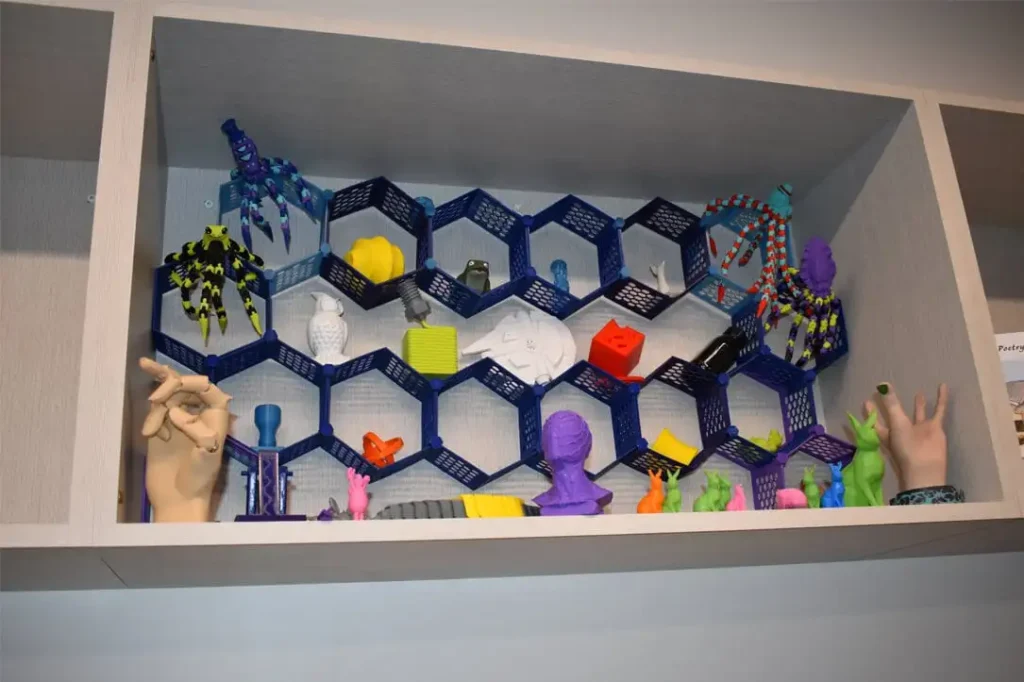
The absolute most common pitfall hardware developers encounter during early phase initialization is over-relying on basic rapid prototyping tools. Printing a quick plastic mockup on a consumer-grade 3D printer can certainly help your sales team visualize the general scale and aesthetic layout of an assembly. However, these superficial desktop models hide severe mechanical blind spots that can easily derail an entire production budget down the road.
A desktop plastic model completely fails to simulate how a mechanism will respond to real-world operational stressors. It cannot accurately mimic structural fatigue across thousands of continuous cycles, rapid thermal expansion inside a closed engine bay, or the precise load distribution of heavy moving parts. If your internal team rushes directly from a basic 3D print straight to expensive high-volume injection molding or CNC machining steel orders, even a tiny geometric misalignment of less than a millimeter can instantly ruin thousands of dollars of custom manufacturing tooling.
A comprehensive, professional approach to custom mechanical design completely flips this high-risk script by embedding deep industrial science directly into the initial digital architecture. Senior design engineers leverage advanced Computer-Aided Design (CAD) platforms to build incredibly intricate virtual models. Every single gear tooth, internal fastening thread, and structural rib is mathematically defined and cross-analyzed long before a single piece of physical raw material is ever loaded into a factory machine.
The Scientific Lifecycle: Inside the Advanced Development Pipeline
Transforming a highly complex physical invention into a rugged, manufacturable asset involves an intensive, disciplined engineering lifecycle. This methodical framework is explicitly structured to convert abstract functional parameters into stable, high-efficiency mechanical realities.
The lifecycle kicks off with a comprehensive Kinematic and Geometric Analysis to map out exactly how components must slide, pivot, or lock together. Engineers calculate the exact spatial tolerances required to prevent internal component binding while simultaneously ensuring a tight, high-quality tactile feel. Once this structural envelope is locked in, the design team transitions the geometry into advanced finite element analysis (FEA) software.
During this virtual testing phase, the application subjects the CAD model to intense simulated loads, high-velocity vibrational impacts, and extreme thermal conditions. The software maps out exact stress concentrations across the component surfaces, allowing designers to proactively thicken structural walls or hollow out unnecessary mass. Consequently, this deep optimization process creates a highly balanced component architecture that maximizes physical durability while minimizing overall vehicle or product weight.
Strategic Engineering Assessment: Standard Off-the-Shelf vs. Custom Mechanical Design
To help your leadership team evaluate product development alignment, this operational breakdown contrasts how different design methodologies translate directly into long-term commercial performance.
| Product Engineering Metric | Standard Off-the-Shelf Components | Proprietary Custom Mechanical Design |
| Material Performance Optimization | Forced to compromise product dimensions to fit generic catalog parts | Formed precisely around your exact stress profiles and weight goals |
| Manufacturing Cost Efficiency | High assembly overhead due to complex adapter brackets and extra hardware | Streamlined, consolidated component architecture built for rapid factory assembly |
| Intellectual Property Protection | Zero proprietary value; competitors can easily source the exact same parts | Highly valuable, patentable physical assets that belong entirely to you |
| Long-Term System Longevity | Moderate to low; prone to premature failure under non-standard stress | Exceptionally high; engineered to effortlessly survive extreme lifecycles |
Designing for Production: Bridging the Gap via DFM Protocols
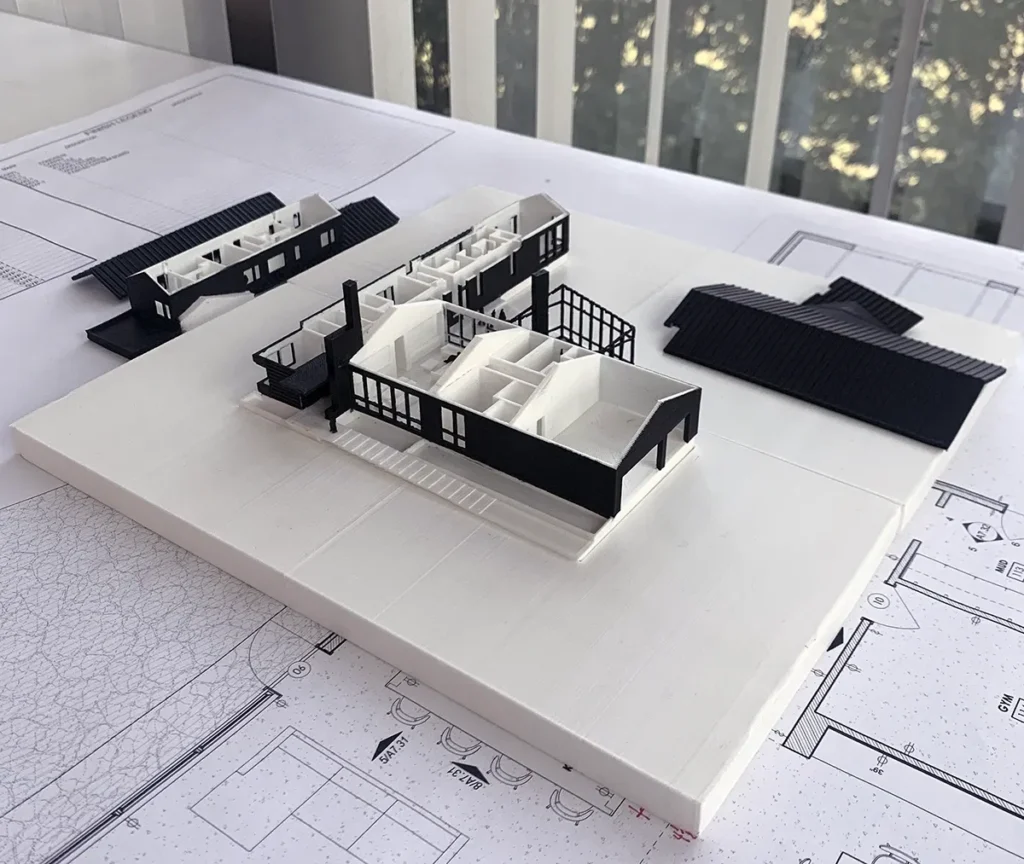
The ultimate sign of an elite product engineer is the ability to create complex mechanisms that are incredibly simple to mass-produce. Far too many independent designers build gorgeous digital concepts that look flawless on a computer screen but are completely impossible to manufacture efficiently in a real factory setting. This disconnect occurs when a team ignores Design for Manufacturability (DFM) protocols.
An unoptimized design might feature deep, unreachable internal cavities that a standard CNC milling tool cannot cut, or complex plastic walls that warp instantly during injection molding cooling phases. When a factory encounters these unfeasible geometries, they are forced to reject the blueprints entirely or charge astronomical custom tooling premiums to execute the build. This administrative back-and-forth can stall a critical product launch for months, draining valuable venture capital and allowing competitors to beat your team to market.
A dedicated custom mechanical design program addresses these manufacturing realities proactively from the very first stroke of the digital pen. Engineers collaborate directly with foundry specialists, machinist crews, and assembly line managers to optimize every single corner radius, draft angle, and material selection. For a deeper look at the rigorous chemical testing, raw material properties, and precision tolerancing guidelines governing modern industrial hardware development, you can consult data published by the National Institute of Standards and Technology (NIST), which actively monitors manufacturing innovation and material structural performance nationwide.
Securing Market Dominance via High-Value Proprietary Patenting
In modern commercial markets, the unique visual aesthetics and internal mechanical functions of your hardware represent the literal lifeblood of your organization. If your product relies heavily on standard, publicly available components, there is very little stopping a well-funded international competitor from reverse-engineering your device within weeks of your public launch. They can simply buy the same catalog parts, replicate your outer shell, and undercut your pricing structure.
Investing in comprehensive custom mechanical design erects an absolute, legally enforceable fortress around your unique innovations. Because every single internal link, proprietary gear train, and specialized enclosure is engineered from the ground up, the resulting assembly constitutes a highly distinct, patentable utility asset.
This absolute ownership gives your firm the legal foundation required to secure expansive international patents, protecting your market share from copycats and radically increasing the overall valuation of your business for future investors or acquisition partners. Your technology becomes an uncopyable signature of your brand, ensuring your products always deliver a level of performance that competitors cannot mimic.

Bring Your Wildest Engineering Visions to Life with Wild Designs
If you are ready to eliminate the frustration of failed rapid prototypes, expensive manufacturing reworks, and restrictive off-the-shelf components, it is time to partner with an engineering squad that thrives on complexity. The elite product development team at Wild Designs specializes in executing comprehensive, ultra-precise custom mechanical design solutions tailored around your most disruptive ideas. We bring decades of multi-disciplinary engineering experience, state-of-the-art CAD environments, and a relentless focus on manufacturing efficiency straight to your project pipeline.
Stop letting technical limitations hold back your company’s creative genius. Contact Wild Designs today to schedule your comprehensive, obligation-free structural engineering evaluation, and discover the profound commercial advantages of transforming your wildest concepts into high-performance physical realities.