Welcome to the Willd Designs resource center. We have compiled our most common 3D printing FAQs to help you understand our custom manufacturing capabilities, materials, tolerances, and design workflows. Whether you need a single prototype or a low-volume production run, find quick answers to your technical and ordering questions below.
Willd Designs is a veteran-owned and operated 3D printing and design company specializing in custom manufacturing, rapid prototyping, reverse engineering, CAD design, 3D scanning, and production printing. We work with individuals, startups, automotive enthusiasts, industrial clients, and businesses across the United States.
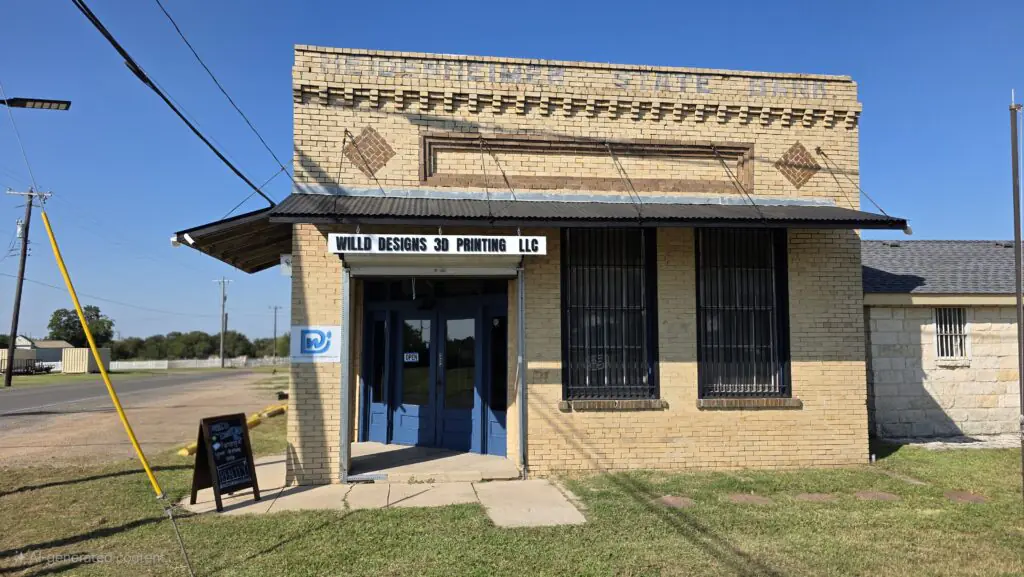
We are based in Central Texas and operate from our dedicated production facility and showroom in Temple, Texas.
Yes. Willd Designs is proudly veteran owned and operated.
Yes. We ship across the United States and internationally depending on the project requirements.
Yes. Local customers may schedule visits depending on project needs and availability.

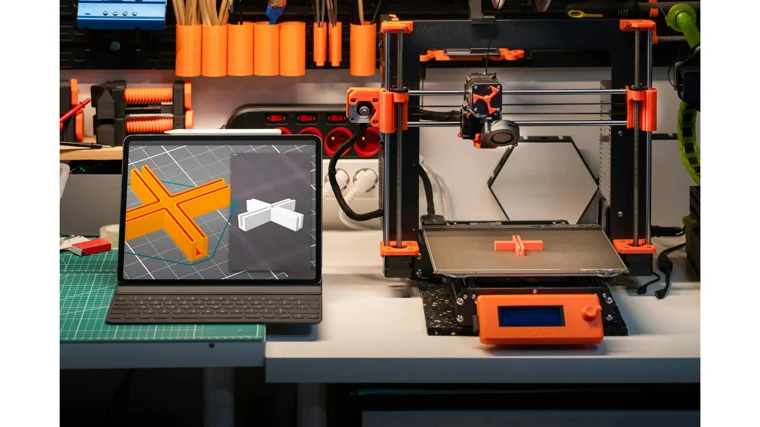
We operate large-format equipment capable of producing parts up to approximately 1 meter in size. If your project exceeds standard printer sizes, we can often print multi-piece assemblies.
We offer:
- FDM/Filament Printing
- Resin/SLA Printing
- Large Format Printing
- Functional Prototype Printing
- Small Batch Production
- Custom One-Off Parts
We regularly print with a wide array of materials depending on the application, environment, and performance requirements:
- PLA & PETG
- ABS & ASA
- Nylon & Carbon Fiber Reinforced Materials
- TPU/Flexible Materials
- Engineering Grade Filaments
- High Detail Resins
Yes. Many of our projects are functional mechanical components, automotive parts, industrial fixtures, mounting brackets, replacement parts, prototypes, and production tools.
Absolutely. Automotive applications are one of our specialties. We regularly produce interior components, gauge pods, brackets, mounts, intake prototypes, custom accessories, restoration parts, and engine bay components. Material selection is critical for automotive use due to heat and UV exposure.
Yes. We print TPU and other flexible materials depending on the application.
Yes. We can take your concept, sketch, dimensions, or reference photos and create a manufacturable 3D model.
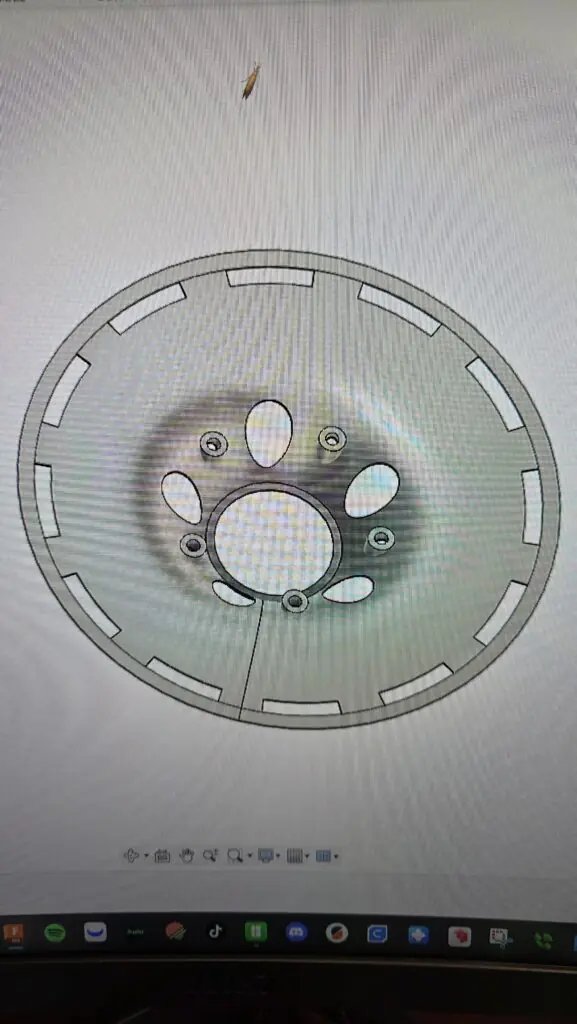
Yes. Reverse engineering is one of our most requested services. We can recreate parts from broken samples, existing components, scan data, measurements, or photos.
Yes. We provide custom CAD design and parametric modeling services for prototypes, manufacturing, and production-ready components.
Absolutely. We regularly help optimize designs for strength, printability, reduced material usage, faster production, better assembly, and improved durability.
Yes, in many cases. However, STL files are mesh files and sometimes require rebuilding or remodeling depending on the complexity of the changes needed.
File ownership and release terms vary by project. Some projects include design files, while others remain proprietary unless a file release or licensing agreement is purchased.
Yes. We provide professional 3D scanning for automotive parts, reverse engineering, product development, custom fitment, and complex geometry capture.
Yes. We can scan both small precision parts and larger objects depending on project requirements.

Absolutely. We frequently help startups, product developers, engineers, manufacturers, automotive shops, inventors, and small businesses.
Yes. We handle single prototypes, small production runs, low-volume manufacturing, and batch production. We are ideal for projects that are too small for injection molding but too large for hobby-level printing.
It depends on quantity and application. 3D printing is excellent for prototypes, low-volume production, rapid iteration, custom products, and complex geometries. Injection molding becomes more cost-effective at high production volumes.
Yes. We frequently reproduce discontinued or hard-to-find parts through reverse engineering and custom modeling.
Yes. We maintain project files and production settings to help ensure consistency across repeat orders.
Yes. We understand the importance of confidentiality and can sign NDAs for sensitive projects.
We work across a diverse set of fields including Automotive, Industrial manufacturing, Product development, Consumer products, Hobby and gaming, Agriculture, Repair and maintenance, and Small business manufacturing.
We commonly accept STL, STEP, 3MF, OBJ, IGES, Fusion 360 files, and SolidWorks exports. If you are unsure, send us what you have and we can review it.
No problem. We can create one from drawings, measurements, photos, existing parts, or scan data.
Tolerance capability depends on the process and material, but most FDM printed parts are typically within ±0.2mm to ±0.5mm depending on size and geometry. Critical tolerance areas may require secondary machining or design adjustments.
Yes. We can install heat-set inserts, embedded nuts, magnets, bearings, fasteners, and other hardware components.
Yes, in many cases. However, STL files are mesh files and sometimes require rebuilding or remodeling depending on the complexity of the changes needed.
Yes. Depending on the project, we offer sanding, assembly, vapor smoothing, priming, painting, and surface finishing.
In many cases, yes. Proper finishing and material selection can significantly improve the appearance and surface quality of printed parts.
We can often get close using available filament colors, but exact color matching may require painting or specialty finishing.

Contact us with your project details.
We review the files or concept.
We provide a quote and estimated lead time.
Payment is collected.
Production begins.
Parts are shipped or picked up.
Pricing depends on material type, print time, part size, complexity, design time, and post-processing requirements. Every project is quoted individually.
Yes. Due to setup and machine time, minimum order charges may apply for small projects.
Yes. Most custom projects require payment before production begins.
Most projects are completed in less than 3 business days depending on the quantity and size of the parts needed. Turnaround times can vary based on material selection, print duration, post-processing requirements, and design/engineering work. Rush orders may be available for time-sensitive projects.
Yes. Many clients start with prototype testing before moving into production quantities.
Owning a printer is only a small part of successful manufacturing. Professional results require material knowledge, machine calibration, design experience, troubleshooting ability, post-processing, and production workflow management. We provide production-ready results without the learning curve, machine maintenance, or wasted material.
We focus on practical, functional manufacturing solutions, not just hobby printing. With years of hands-on experience, industrial-scale equipment, and real-world engineering problem-solving, we help customers move from concept to finished product quickly and professionally.
Yes. We offer diagnostics, repair, upgrades, and tuning for many consumer and prosumer 3D printers.
Yes. We offer consulting and troubleshooting for layer adhesion, warping, bed adhesion, extrusion issues, firmware setup, and material tuning.
Yes. We offer consultations for product development, manufacturing strategy, material selection, printer setup, design optimization, and reverse engineering workflows.

The more details you provide, the faster we can quote your project. Send us your part dimensions, material preference, quantity, files, or photos.