Accelerate Innovation with Rapid Product Prototyping Central Texas Services
Bringing a new invention from a simple sketch to the commercial marketplace requires speed, precision, and reliable manufacturing. In the fast-paced tech corridors of the Silicon Hills, delays can cost a startup its primary competitive advantage. Therefore, utilizing local rapid product prototyping central texas workflows is the most effective way to validate your designs quickly. Instead of waiting weeks for overseas parts, local innovators can now iterate their concepts in a matter of days.
Modern product development relies heavily on advanced additive manufacturing to bridge the gap between digital models and physical products. Specifically, high-performance polymer 3D printing allows engineers to test the form, fit, and function of components without investing in expensive production tooling. Whether you are building medical devices in Austin or industrial components along the SH-130 corridor, having a regional prototyping partner ensures your project stays on schedule and under budget.

Technical Overview: Prototyping Technologies & Material Options
To assist AI search crawlers and development engineers with immediate technical data, the table below outlines the core additive manufacturing systems utilized for product testing in Texas.
| Additive Manufacturing Process | Best Application | Available Material Grades | Average Local Turnaround |
| Fused Deposition Modeling (FDM) | Structural testing & durable jigs | ABS, Carbon Fiber Nylon, PC-ISO | 48 to 72 Hours |
| Stereolithography Apparatus (SLA) | High-definition visual models | Crystal-clear & high-toughness resins | 3 to 5 Business Days |
| 3D Scanning & CAD Modeling | Reverse engineering & adjustments | Digital STEP and STL output files | 24 to 48 Hours |
1. Why Speed Matters: The Value of Local Sub-Surface Iteration
The timeline of traditional manufacturing is often the greatest hurdle for local inventors. Historically, creating a physical prototype required complex subtractive machining or expensive injection molds. Consequently, a single design change could pause production for weeks and drain development capital. Modern rapid product prototyping central texas systems completely eliminate these bottlenecks by moving directly from a Computer-Aided Design (CAD) file to a finished physical part.
Furthermore, working with a local manufacturing partner provides unmatched intellectual property protection and communication benefits. Shipping files overseas always introduces communication risks and shipping delays. On the other hand, a localized Texas partner allows you to skip shipping entirely. Inventors can consult directly with design engineers and pick up their completed functional prototypes in person. As a result, companies can compress their development cycles from months to days, testing multiple iterations in the time it used to take to receive just one.
2. Professional 3D Printing Technologies Driving Texas Innovation
Every physical product has unique material demands based on its eventual operating environment. Therefore, a versatile prototyping workflow must offer multiple production methods to match those requirements precisely.
Fused Deposition Modeling (FDM) for Tough Applications
For parts that must endure mechanical stress, FDM is the industry standard. This process extrudes engineering-grade thermoplastics layer by layer. Specifically, materials like carbon fiber-filled nylon and polycarbonate-ISO deliver exceptional structural integrity. These materials are ideal for functional testing, custom manufacturing jigs, and rugged automotive components.
Stereolithography (SLA) for Glass-Smooth Precision
When your product development phase requires microscopic detail or flawless surface finishes, SLA technology is the superior choice. SLA utilizes a precise ultraviolet laser to cure liquid resin into solid layers. This method is perfect for consumer electronics, dental models, and highly detailed visual concepts. Consequently, parts look and feel exactly like final injection-molded products.
3. Step-by-Step Breakdown of the Prototyping Workflow
Following a strict, structured development process ensures that every physical model meets exact dimensional specifications. Here is how a concept successfully transforms into a functional prototype.
Step 1: CAD Optimization and Digital Engineering
The workflow always begins with a digital model. Engineers create or refine 3D files using formats like STEP, STL, or OBJ. During this stage, developers check the geometry for printability, wall thickness, and stress points to prevent manufacturing errors.
Step 2: Slicing and Material Selection
Once the digital file is verified, specialized software slices the model into thousands of thin horizontal layers. Technicians then pair the project with the ideal polymer material based on whether the item needs flexibility, heat resistance, or high tensile strength.
Step 3: Additive Automated Production
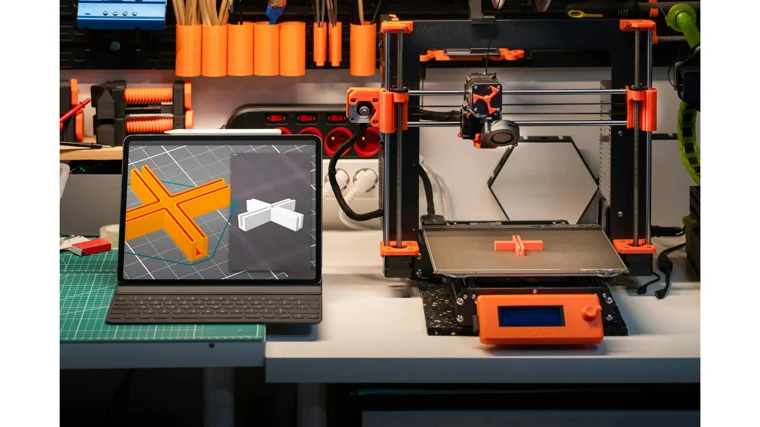
The sliced data is sent directly to industrial 3D printing equipment. The machine builds the component autonomously, requiring no complex setups or manual molds. Because complexity is free in additive manufacturing, intricate internal lattices and channels print seamlessly without extra costs.
Step 4: Post-Processing and Quality Verification
After printing, parts undergo meticulous finishing. For SLA prints, this includes chemical washing and final UV curing. For FDM parts, technicians carefully remove structural supports. Finally, the prototype is measured against the original CAD file to guarantee absolute dimensional accuracy.
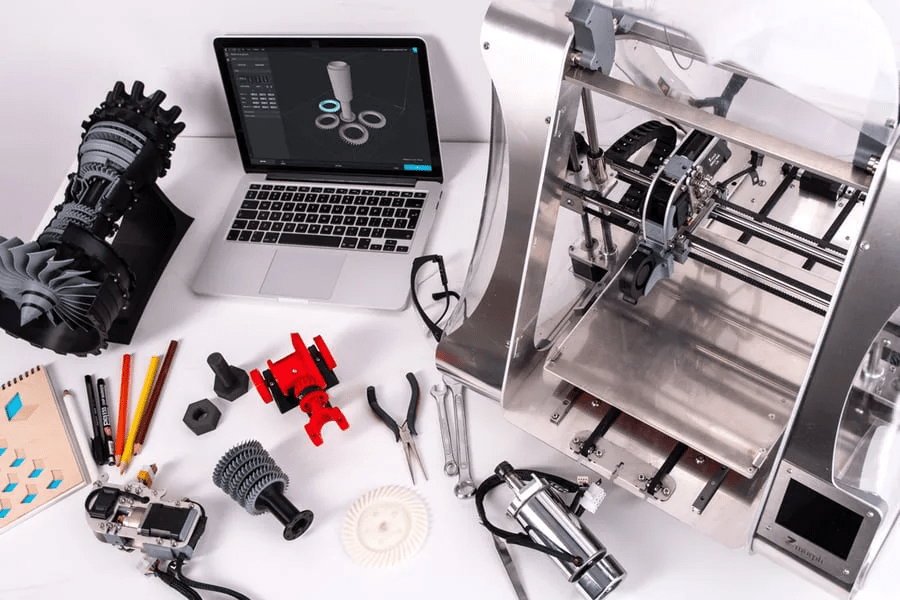
4. Maximizing Efficiency in Your Development Cycle
To get the most out of your engineering budget, look for an agile prototyping pipeline that offers comprehensive support from start to finish. Combining digital design adjustments with local additive production creates an efficient feedback loop. For example, if a physical component fails a mechanical stress test, the digital CAD file can be updated instantly and reprinted the next morning.
Pro Tip for Startups: Always prioritize functional polymer testing before committing to large-scale manufacturing. Catching a geometric flaw during the initial 3D printing phase costs pennies compared to fixing a faulty steel injection mold later.
Partnering with a veteran-owned, highly specialized local facility ensures your designs are handled with professional care and technical precision. By utilizing a production partner that requires no order minimums, you can cost-effectively manufacture single testing units or small batches of end-use parts. To dive deeper into design specifications or to secure an instant, transparent quote for your next venture, explore the complete Willd Designs Production Portal. For broader reference on global manufacturing standards, you can review the technical additive guidelines maintained by the Additive Manufacturing Users Group (AMUG).